 CJ Landscaping
The Best Sod for Colorado: What Actually Survives Here
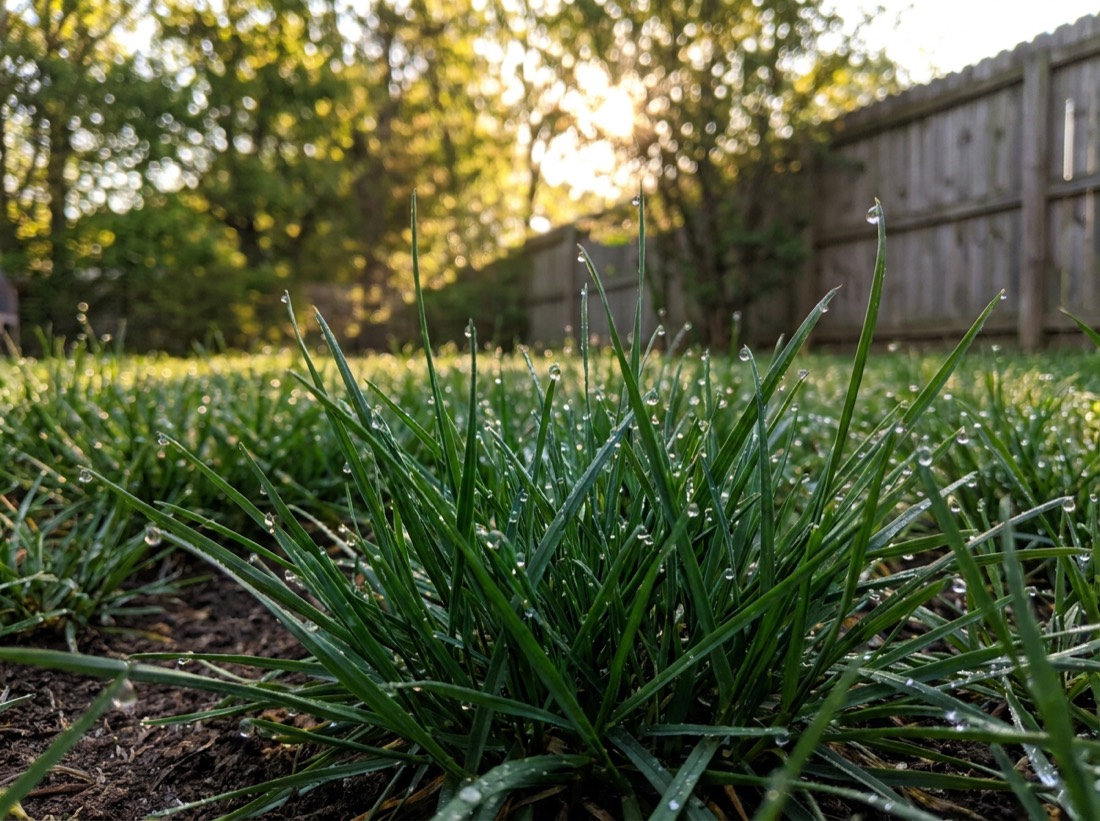
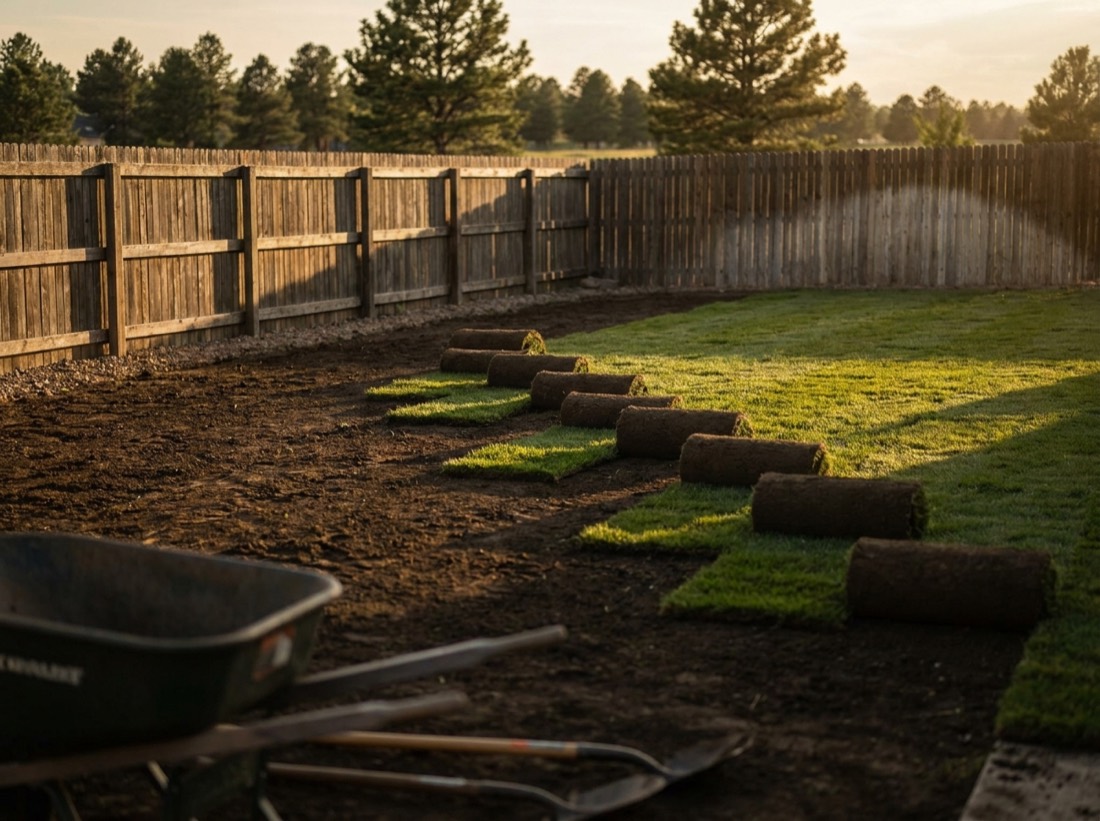
Most of the sod sold in Colorado is Kentucky bluegrass, and for good reason: it best survives our freeze-thaw winters, self-repairs from dog spots and kid traffic, and delivers the deep green lawn people picture. But it is not the only answer, and with Denver Water restrictions tightening, the drought-tolerant blends and tall fescue deserve a real look. Here is how the options actually compare in Front Range yards, from a crew that installs them across Denver, Arvada, Westminster, Thornton, Golden, and Broomfield.
Colorado sod options compared
| Sod type | Best for | Water need | Trade-off |
|---|---|---|---|
| Kentucky bluegrass | Family lawns, dogs, classic look | Highest | Thirstiest option |
| Drought-tolerant bluegrass blends | Same look, less water | Medium-high | Slight cost premium |
| Turf-type tall fescue | Deep roots, heat tolerance | Medium | No self-repair |
| Buffalo grass | Native, lowest water | Low | Shorter green season, light traffic only |
Why bluegrass dominates Front Range lawns
Bluegrass spreads by rhizomes, which means it heals itself. A dog spot in March becomes solid turf by June. That self-repair is why it remains the default for lawns that get used. Its weakness is thirst, which is exactly what the newer drought-bred blends address: same rhizome habit, bred for lower water. If you are re-sodding anyway, ask for the drought blend; the small premium pays back on every summer bill.
When fescue or buffalo grass wins
Tall fescue roots run deeper than bluegrass, so it stays green through hot stretches with less frequent watering. It suits sunny, lower-traffic lawns; the catch is that damage needs overseeding since it does not spread. Buffalo grass is the native, ultra-low-water choice for areas you look at more than you walk on. Many of the best water-wise yards we build pair a small bluegrass play area with buffalo grass or xeriscape everywhere else.
Match the grass to how each area gets used, not to the whole yard at once. That single decision cuts more water than any smart controller.
What sod costs installed
Whatever variety you choose, installed pricing in the Denver metro runs $8 to $14 per square foot including grading, compost-amended soil prep, and sprinkler tie-ins. The full size-by-size breakdown is in our Denver sod cost guide, and if you are weighing a lawn against the alternatives entirely, the sod vs. seed vs. xeriscape comparison covers that decision.
Establishment: the first 30 days decide everything
- Water daily for the first two weeks, keeping the sod and the top inch of soil consistently moist while roots knit down.
- Taper to every other day in weeks three and four, then move to a normal deep-and-infrequent schedule.
- Stay off it for three weeks. Traffic before rooting tears the knitting roots loose.
- First mow at about 3 inches, once the sod resists a gentle tug.
Get those four right in properly prepped soil and a Colorado sod lawn establishes fast and lasts for decades. If you want a variety recommendation for your specific yard and water budget, we walk properties across the Denver metro and quote free within 24 hours.
Colorado sod FAQs
What is the best sod for Colorado lawns?
For most Front Range yards the answer is a Kentucky bluegrass blend. It self-repairs from dog spots and foot traffic, handles our freeze-thaw winters, and looks like the classic deep-green lawn people want. If cutting water use is the priority, newer drought-tolerant bluegrass blends and turf-type tall fescue get close to the same look on noticeably less water.
What sod handles Colorado drought and watering restrictions best?
Turf-type tall fescue and drought-bred bluegrass blends are the strongest performers under Denver Water restrictions. Fescue roots deeper, so it rides out hot stretches between waterings, though it does not self-repair like bluegrass. Some yards use a fescue and bluegrass mix to get most of both benefits.
Is buffalo grass a good option in Denver?
Buffalo grass is a true native that thrives on a fraction of the water, and it is a great fit for low-traffic areas and homeowners who want the lowest possible water bill. The trade-offs are honest ones: it greens up later in spring, goes tan earlier in fall, and does not take heavy foot traffic like bluegrass. It shines as part of a water-wise design rather than a play lawn.
When is the best time to lay sod in Colorado?
Spring and early fall are ideal. Cool nights and gentler sun let roots knit before heat or hard frost arrives. Summer installs work fine with disciplined daily watering during establishment, and we install through the season, but April to June and September are the sweet spots on the Front Range.
Local crew building Front Range yards since 2017. Rated 5.0★ across 20+ Google reviews. Every estimate is free, itemized line by line, and delivered within 24 hours. Serving Denver, Arvada, Westminster, Thornton, Golden & Broomfield. Get your free quote →
Want a real number for your yard?
Skip the guesswork. CJ Landscaping will walk your property and give you an itemized estimate, planned around your space, your budget, and our Front Range climate. Free quote within 24 hours.
Get your free estimate →