 CJ Landscaping
Best Water-Wise & Xeriscape Plants for Denver Landscapes (2026 Guide)
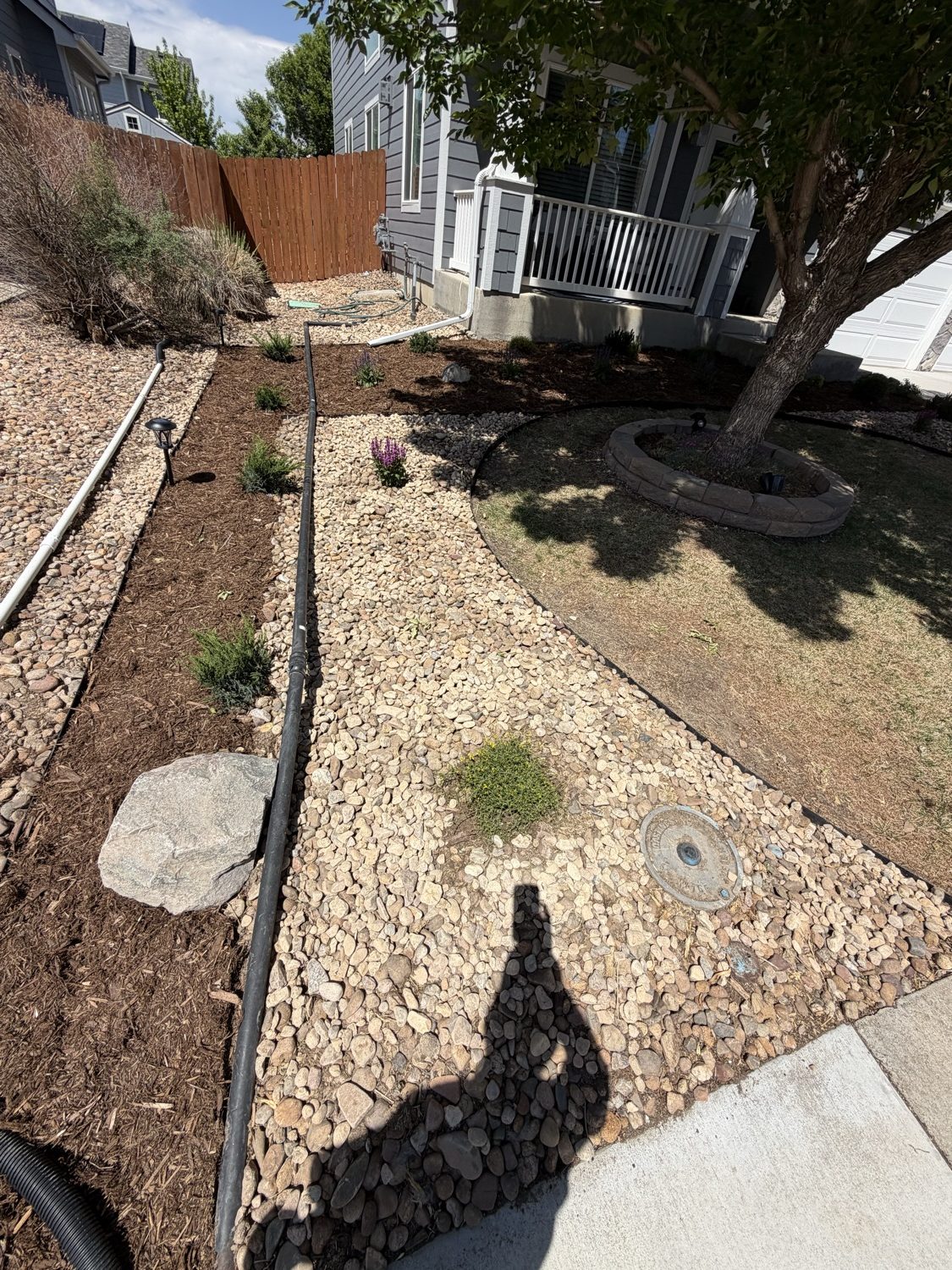
Here on the Front Range, water is precious and the climate is its own animal. Denver sits a mile high in a semi-arid, high-plains zone, roughly 15 inches of precipitation a year, intense high-altitude sun, bone-dry air, and summers that swing into Denver Water's restriction schedules. The good news: you don't have to choose between a beautiful yard and a sane water bill. There's a whole palette of tough, gorgeous plants that shrug off our cold winters, thrive in the sun, and barely sip water once rooted. After designing landscapes across Aurora, Lakewood, Arvada, Centennial, and Highlands Ranch since 2017, these are the plants we reach for again and again, and how to use them so the result looks designed, not bare.
Why water-wise landscaping just makes sense here
A traditional thirsty lawn fights our climate every single day. You pour water onto bluegrass that evolved somewhere far wetter, then watch it stress the minute summer restrictions and high-plains heat kick in. Water-wise landscaping flips that. You build around plants that actually want to live at 5,280 feet, so the yard gets easier and cheaper over time instead of harder. Done well, it isn't a gravel lot with three rocks. It's layered, textured, and full of color, just engineered for the Front Range. The payoff is real:
- Lower water bills — established water-wise plantings can cut irrigation by half or more versus a traditional lawn.
- Restriction-proof — when Denver Water sets summer watering days, a water-wise yard barely notices.
- Far less maintenance — no constant mowing, fewer inputs, fewer plant replacements.
- It holds up — the right plant in the right spot looks better in year five than year one.
Xeriscape: a Denver invention
Here's a local point of pride: the word xeriscape was coined right here by Denver Water back in 1981. It's our idea. And it has nothing to do with cactus and gravel, that's the biggest myth we have to bust. Xeriscaping is simply smart, water-efficient design built on seven principles: thoughtful planning and design, improving the soil, efficient irrigation, grouping plants by water need, practical use of turf, mulching, and sensible maintenance. Follow them and you get a yard that reads as lush while using a fraction of the water.
Group plants by thirst (hydrozoning)
The single biggest mistake we fix on Denver yards is mixed watering needs on one valve. If a thirsty plant and a true low-water plant share the same drip line, one of them is always unhappy. The fix is hydrozoning: grouping plants by how much water they want so each zone gets exactly what it needs.
- Low zone — true natives and dryland plants along property edges and hot, south- and west-facing walls. Blue grama, rabbitbrush, sulphur flower, penstemon. Deep soak every couple of weeks once established.
- Moderate zone — water-wise color near patios and entries where you'll see it. Russian sage, catmint, yarrow, agastache, blanket flower. A deep drink weekly in peak summer.
- Accent zone — a small, intentional spot for a feature plant or pot you're willing to baby a little. Keep it tiny so it doesn't drive the whole water bill.
The best water-wise plants for Denver yards
These are the workhorses, sorted by the job they do in a design. Mix from each group and you get a yard with structure, color, and movement, not just one plant repeated. Many are on Colorado's Plant Select list, a program that vets plants specifically for our region, so they're proven on the Front Range.
Long-blooming color (the payoff)
- Penstemon — our signature mountain wildflower. Rocky Mountain penstemon and pineleaf penstemon throw spikes of blue, purple, and red that hummingbirds chase, on almost no water.
- Russian sage — a haze of silvery foliage and lavender-blue flower spikes from midsummer into fall. Tough, deer-resistant, and unbothered by heat or wind.
- Catmint (Walker's Low) — a long-blooming mound of blue-purple flowers that's nearly indestructible and looks great spilling over a path edge.
- Yarrow — flat flower clusters in gold, white, or terracotta over ferny foliage; a native-tough classic that blooms for months.
- Blanket flower (gaillardia) — fiery red-and-gold daisies all summer on a plant that thrives in poor, dry soil.
- Agastache (hyssop) — fragrant spikes of orange, pink, and blue that pull in pollinators and keep going through the dry heat.
- Lavender — silvery, fragrant, and water-thrifty; the hardy varieties handle our winters and love the full sun.
Native grasses & low-water turf (the movement)
- Blue grama & buffalo grass — our native short grasses. Use them as a low-water lawn alternative that needs a fraction of the water of bluegrass, or let blue grama's eyelash seed heads sway in a bed.
- Feather reed grass 'Karl Foerster' — a strong vertical accent that catches low autumn light and stands tall through winter.
- Little bluestem — a native bunchgrass that turns coppery-red in fall and adds four-season texture.
- Blue avena grass — steely blue fountains that pair beautifully against green and silver foliage.
Structure & toughness (the bones)
- Rabbitbrush — a native shrub that erupts in gold flowers in late summer when little else is blooming; thrives on neglect.
- Potentilla — a reliable, cold-hardy shrub with cheerful yellow or white flowers all season, perfect for low hedging.
- Sulphur flower — a low, mat-forming native with bright sulphur-yellow blooms; tucks beautifully between boulders.
- Hardy yucca & hens-and-chicks — yes, we use these, but as cold-hardy sculptural accents that handle snow and freeze, not as desert props. A little structure goes a long way.
Water-wise never has to mean low-style. The Front Range hands you mountain wildflowers, silver foliage, and grasses that move in the wind, if you plant on purpose.
Design tips so it looks intentional, not empty
A water-wise yard fails when it looks like leftover plants scattered in gravel. It works when it follows a few simple design rules:
- Plant in odd-numbered groups. Threes and fives of the same plant read as a confident design move; one of everything reads as a clearance rack.
- Layer heights. A tall grass, a mid-height bloomer, and a low groundcover in front gives depth and hides bare soil.
- Contrast texture and color. Set spiky yucca against soft, mounding catmint; pair silver Russian sage with deep green and a hit of red blanket flower.
- Repeat a few plants. Carrying catmint or feather reed grass through the whole yard ties separate beds into one cohesive landscape.
- Lean on Plant Select. Choosing from Colorado's vetted regional list takes the guesswork out of what survives here.
- Leave room to grow. Space plants for their mature size so you're not ripping out crowded beds in three years.
Getting plants established in Denver clay
Even tough plants need help in the first year, and our soil makes that tricky. Most of the metro sits on heavy clay, sometimes alkaline or rocky, that drains slowly and compacts hard. If a planting hole won't drain, even a drought-tough plant can drown.
What actually works
- Amend with compost. Work a few inches of quality compost into clay beds to open up drainage and feed the soil. This is the foundation of every xeriscape that thrives here.
- Plant after the last frost. For tender material, wait until mid-May, after Mother's Day, so a late Front Range freeze doesn't undo your work. Spring and early fall are both great planting windows.
- Water deep, not often. A deep soak drives roots down where the soil stays cooler and moister. Frequent light sprinkles keep roots shallow and vulnerable.
- Run drip irrigation. Drip delivers water straight to the root zone with almost no evaporation, the only kind of irrigation that makes sense in our dry air and under watering restrictions.
- Mulch the beds. A 2- to 3-inch layer of wood mulch holds soil moisture, moderates our wild day-night temperature swings, and blocks weeds.
- Winter water. On warm, dry winter days above 40 degrees, give beds a deep drink once or twice a month. Our sunny, windy winters desiccate plants when the ground is frozen, and a midwinter drink is what carries them through.
Nail the first year and these plants essentially run themselves. That's the whole point of building a yard around the Front Range instead of against it.
Water-wise plant FAQs
What are the best water-wise plants for a Denver yard?
Our most-used water-wise plants for the Front Range are penstemon (including Rocky Mountain penstemon), Russian sage, Walker's Low catmint, yarrow, blanket flower, lavender, and agastache for color, plus native grasses like blue grama and buffalo grass for low-water turf. They're cold-hardy to our zone 5b winters, they love the high-altitude sun, and once established they thrive on a fraction of the water a traditional lawn needs.
What is xeriscaping, and did it really start in Denver?
Yes. The term xeriscape was coined right here by Denver Water in 1981, so this is a hometown idea. Xeriscaping is not zero plants or rock and cactus; it's designing a landscape around seven sensible principles, smart planning, soil improvement, efficient irrigation, grouping plants by water need, practical turf, mulch, and good maintenance, so the yard looks lush while using far less water.
When should I plant water-wise perennials in Denver?
Spring and early fall are ideal because the soil is workable and temperatures are mild. The one rule we never break: wait until after our last frost, usually mid-May or about Mother's Day, before setting out anything tender. Planting earlier risks a late Front Range freeze that can set young plants back or kill them. Fall planting also works well since roots keep growing before the ground freezes.
Do water-wise plants survive Denver winters?
The right ones do. We choose plants rated for USDA zone 5b to 6a, which handle Denver's hard freezes and freeze-thaw swings. The bigger winter risk here isn't cold, it's desiccation, our dry, sunny, windy winters pull moisture from plants when the ground is frozen. The fix is winter watering: give beds a deep drink once or twice a month on a warm, dry day above 40 degrees, and most water-wise plants sail through.
Want this done for you?
CJ Landscaping designs, builds, and maintains it, planned around your space, your style, and our Front Range climate. Free quote within 24 hours.
Request your free quote →