 CJ Landscaping
Xeriscaping on the Front Range: A Denver Homeowner's Guide
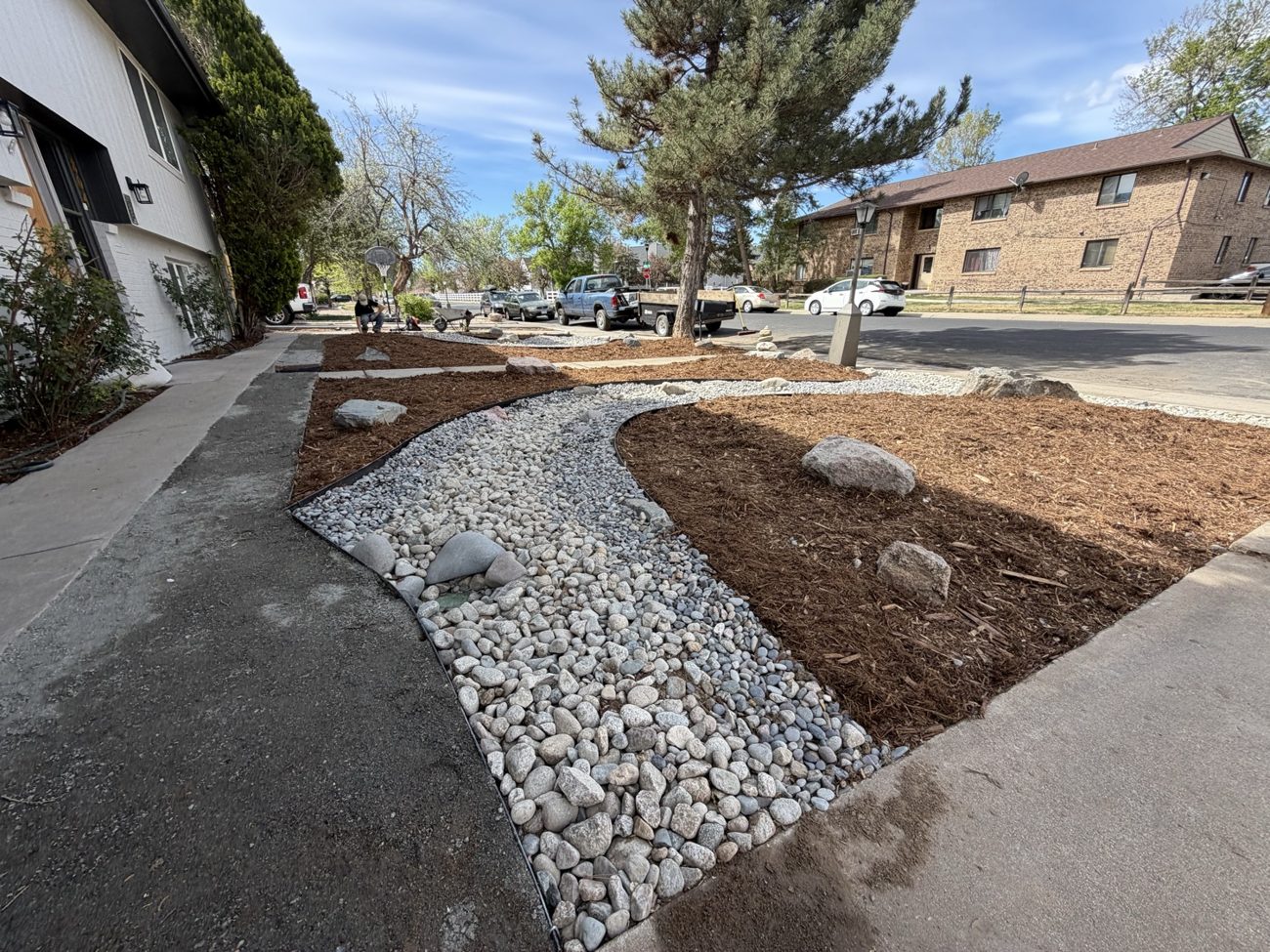
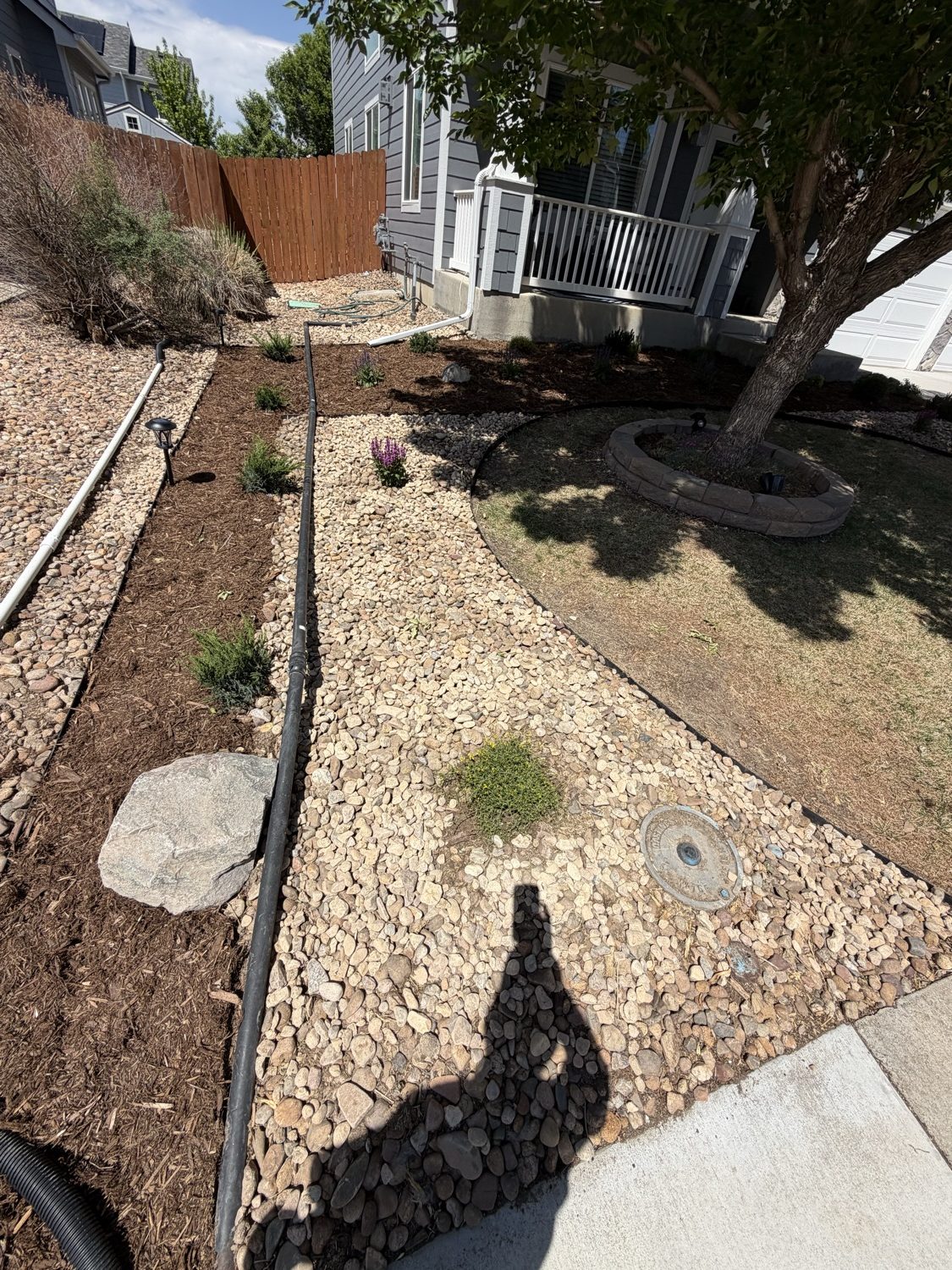
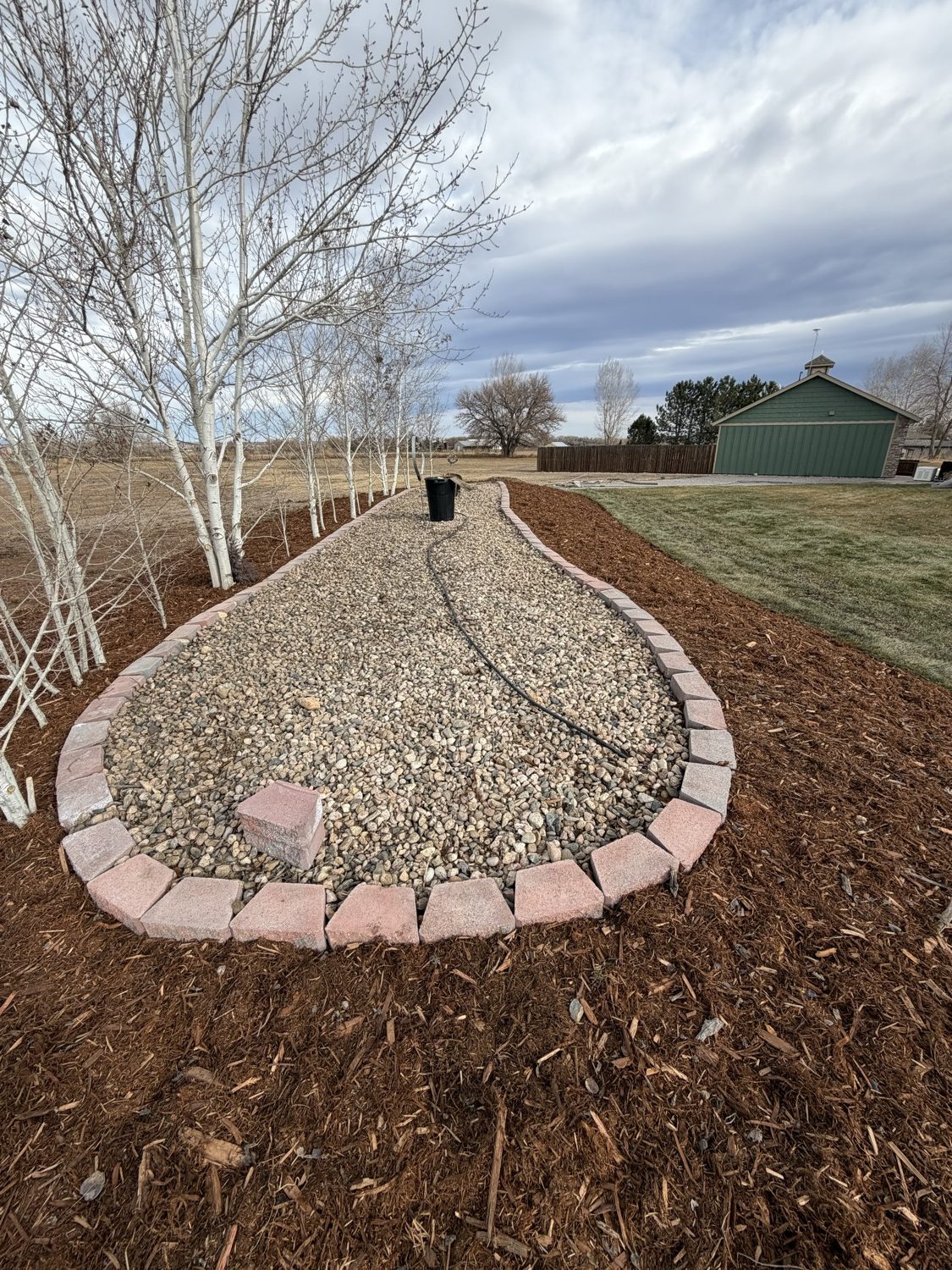
Xeriscaping is landscaping built to thrive on very little supplemental water, and it's the smartest way to design a yard for Denver's semi-arid, mile-high climate. The word was actually coined right here in Denver in the early 1980s, and the idea is simple: work with our dry, sunny conditions instead of fighting them with a thirsty bluegrass lawn. Done right, a Front Range xeriscape isn't a gravel pit with a cactus, it's a layered, colorful, pollinator-friendly yard that blooms spring through fall and uses roughly half the water. After converting yards across Denver, Arvada, Westminster, Thornton, Golden, and Broomfield, here's everything a homeowner needs to know to do it well.
The seven principles of xeriscape
Xeriscape isn't a style, it's a method. The original Denver framework rests on seven principles, and every good water-wise yard hits all of them:
- Plan and design first. Group the yard into zones by how you use it and how much water each area needs.
- Improve the soil. Amend our heavy clay with compost so roots get air and water move freely.
- Use efficient irrigation. Drip lines deliver water straight to the roots with almost no waste.
- Keep practical turf areas. A small patch of grass where kids and dogs actually play, not wall-to-wall lawn.
- Choose low-water plants. Lean on natives and proven drought-tolerant species suited to our zone 5 to 6 climate.
- Mulch every bed. Wood or rock mulch holds soil moisture and blocks weeds.
- Maintain it well. A little seasonal cleanup and smart watering keeps it looking sharp for decades.
Why xeriscape makes sense in Denver
The Front Range gets only about 14 to 16 inches of precipitation a year, yet a traditional Kentucky bluegrass lawn wants closer to 30. That gap comes straight out of the tap, and your wallet. Denver Water uses tiered pricing that climbs as you use more, plus seasonal rules that limit watering to three days a week and no watering in the heat of the day. Outdoor irrigation is the single biggest slice of a metro household's summer water use, so converting thirsty turf is the highest-leverage change you can make. A xeriscape typically cuts outdoor water use by 50 to 60 percent while looking better than the lawn it replaced.
It's also tougher in our climate. Drought-tolerant natives shrug off the intense UV at altitude, bounce back from hail, and handle the freeze-thaw swings that stress shallow-rooted bluegrass.
A good xeriscape isn't about using less yard, it's about getting more yard for less water.
Best xeriscape plants for the Front Range
The secret to a xeriscape that looks lush rather than sparse is layering, mixing heights, textures, and bloom times. These cold-hardy, low-water performers are workhorses in our zone 5 to 6 gardens:
- Flowering perennials: Russian sage, catmint, blanket flower, coneflower, penstemon, and yarrow for long, colorful bloom.
- Ornamental grasses: Karl Foerster feather reed grass, blue grama, and little bluestem for movement and winter structure.
- Native shrubs: rabbitbrush, potentilla, three-leaf sumac, and Apache plume for backbone and habitat.
- Groundcovers: creeping veronica, ice plant, and sedum to knit beds together and crowd out weeds.
- Accent succulents: hens-and-chicks and hardy yucca for sculptural texture that survives our winters.
How to convert your yard to xeriscape
Here's the process we follow on a typical Front Range conversion, start to finish:
- Map your zones. Decide where you want a small functional lawn, where beds go, and where pathways or a patio belong.
- Remove the old turf. Strip the bluegrass by sod cutter or sheet-mulching so you're starting clean.
- Amend the soil. Work several inches of compost into our clay to build drainage and structure.
- Install drip irrigation. Run drip lines to each planting zone with a smart, weather-based controller.
- Plant in layers. Set shrubs and grasses first for structure, then fill with perennials and groundcovers.
- Mulch everything. Top beds with 2 to 3 inches of wood or rock mulch to lock in moisture.
- Water to establish. Run deeper, less frequent cycles the first season, then dial irrigation way back.
Xeriscape vs. a traditional lawn
The numbers tell the story. Here's how a converted xeriscape stacks up against a conventional bluegrass yard on the Front Range:
| Factor | Traditional bluegrass lawn | Front Range xeriscape |
|---|---|---|
| Annual water use | High (about 30 in. needed) | Low (50–60% less) |
| Upfront cost | $8–$14 / sq ft | $12–$22 / sq ft |
| Ongoing maintenance | Weekly mowing, feeding | Seasonal cleanup only |
| Color & interest | Green, uniform | Blooms & texture spring–fall |
| Rebate eligible | No | Often yes |
| Pollinator habitat | Minimal | Excellent |
Rebates and getting started
Don't skip the free money. Denver Water and many municipal providers across Westminster, Thornton, Arvada, and Broomfield run turf-replacement and efficient-irrigation rebates that pay you per square foot of grass removed or toward a smart controller, and Colorado has funded statewide turf programs in recent years. The rules change annually, so we check your provider's current offer before we design and fold it into your plan. CJ Landscaping designs and builds water-wise yards across the Denver metro, and we'll handle the conversion from turf removal to the final mulch so you end up with a yard that's beautiful, tough, and cheap to run.
Front Range xeriscaping FAQs
What is xeriscaping?
Xeriscaping is landscaping designed to thrive on little supplemental water by working with a dry climate instead of fighting it. The term was actually coined in Denver, and it rests on seven principles: smart design, soil improvement, efficient irrigation, practical turf areas, drought-tolerant plants, mulch, and good maintenance. It is not a single look. A well-built Front Range xeriscape can be lush, colorful, and full of pollinators while using a fraction of a traditional lawn's water.
Does xeriscaping mean just rocks and cactus?
No. That is the biggest myth we hear. A good Colorado xeriscape is layered and green, with ornamental grasses, flowering perennials like Russian sage and catmint, native shrubs, and often a small patch of practical turf where you actually use it. Rock and gravel are tools for mulch and pathways, not the whole design. Done well, a xeriscape looks fuller and blooms longer than the bluegrass lawn it replaced.
How much water does xeriscaping save in Denver?
A converted yard typically cuts outdoor water use by 50 to 60 percent, and aggressive designs can save even more. Outdoor watering is the biggest slice of a Front Range household's summer water bill, so replacing thirsty bluegrass with drought-tolerant plantings and drip irrigation makes a real dent. With Denver Water's tiered rates and three-day-a-week watering rules, that saving shows up on your bill every month of the season.
Are there rebates for xeriscaping on the Front Range?
Yes. Many Front Range water providers, including Denver Water and several Westminster, Thornton, Arvada, and Broomfield programs, offer turf-replacement and efficient-irrigation rebates that pay you per square foot of grass removed or toward a smart controller. Colorado has also funded statewide turf-replacement programs in recent years. Rebate amounts and rules change yearly, so we check your provider's current offer before we design, and it often covers a real chunk of the conversion cost.
Ready to ditch the thirsty lawn?
CJ Landscaping designs and builds water-wise yards across the Front Range, from turf removal to the final mulch, and we'll help you tap every rebate available. Free quote within 24 hours.
Get your free estimate →