 CJ Landscaping
Best Cold-Hardy Plants for Westminster & Thornton Yards
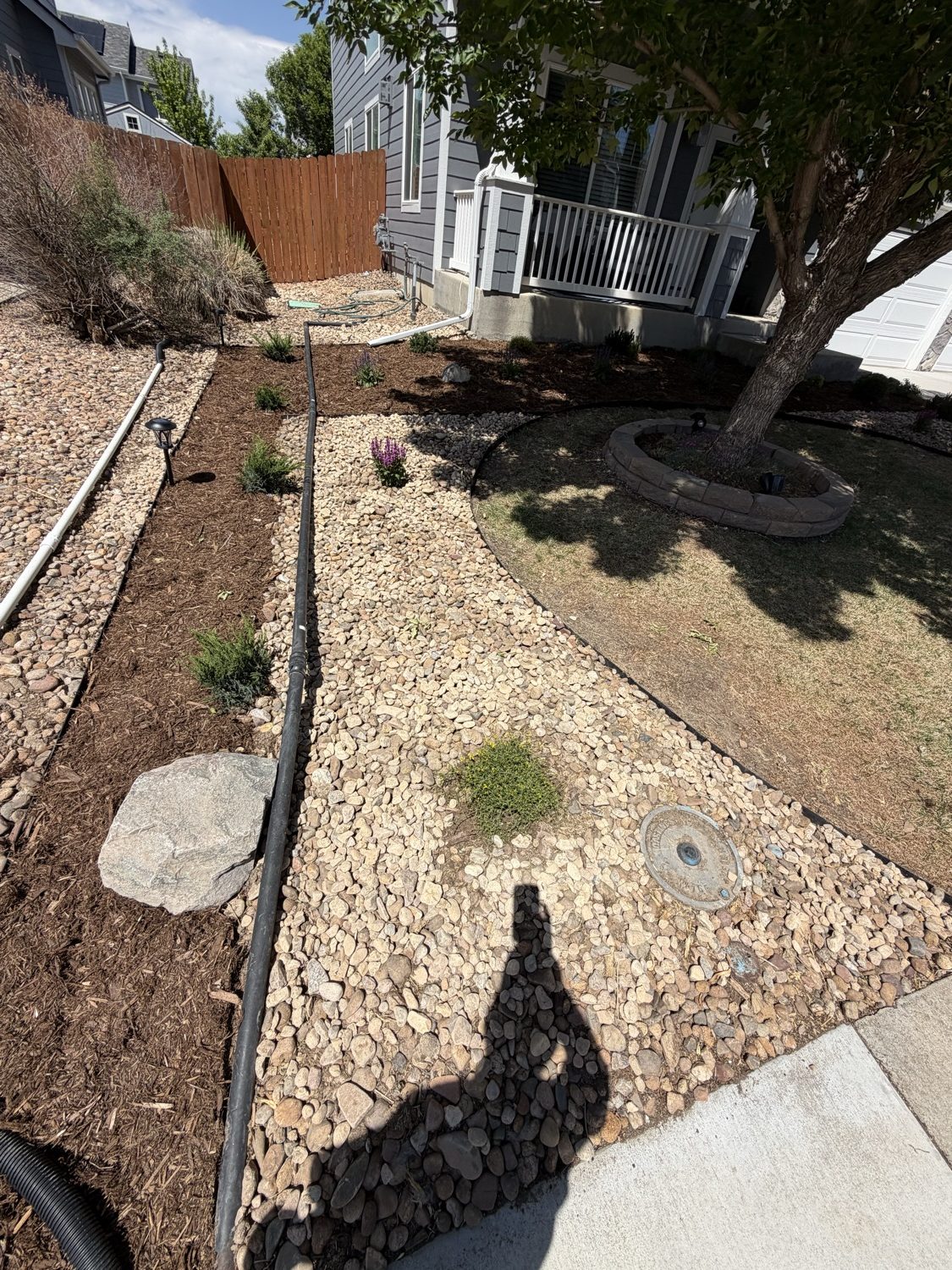
The best cold-hardy plants for Westminster and Thornton yards are tough, zone 5 perennials and shrubs like Russian sage, catmint, yarrow, blanket flower, potentilla, and feather reed grass, all of which survive our minus-15-degree winters, heavy clay soil, and constant north-metro wind without fuss. Westminster and Thornton sit in USDA hardiness zone 5b to 6a, which means the plants that thrive here aren't just "pretty," they're built to take a beating: hard freezes, dry winter winds, blazing high-altitude sun, late frosts, and the occasional July hailstorm. After planting yards across the north Denver metro, including Westminster, Thornton, Broomfield, and Arvada, these are the plants I trust to come back stronger every year.
Know your zone before you plant
Westminster and Thornton fall in zone 5b to 6a, with winter lows that typically dip between minus 5 and minus 15 degrees. But cold rating alone doesn't tell the whole story up here. The real test for a north-metro plant is whether it can also handle:
- Drying winds that sweep across the open plains and desiccate exposed foliage in winter.
- Heavy clay soil that holds water and starves roots of oxygen if it isn't amended.
- Wild temperature swings, a 60-degree afternoon followed by a hard overnight freeze.
- Intense UV at 5,300-plus feet of elevation that scorches tender, thin-leaved plants.
- Late spring frosts that can hit into the third week of May.
Pick plants rated zone 5 or hardier that are also drought- and wind-tolerant, and you've stacked the deck in your favor.
Cold-hardy perennials that always come back
These are the long-blooming, low-maintenance perennials I reach for first on north-metro projects. All are zone 5 or hardier and tough as nails once established:
- Russian sage for airy, silver-blue color from midsummer to frost.
- Catmint (Nepeta) for a long carpet of purple-blue that pollinators swarm.
- Yarrow in golds and reds, unbothered by wind, clay, or drought.
- Blanket flower (Gaillardia) for hot red-and-yellow blooms all summer.
- Coneflower (Echinacea) for sturdy, daisy-like color and winter seed heads.
- Penstemon, a Colorado native that thrives in lean, dry, alkaline soil.
Tough shrubs and small trees
Shrubs give a yard structure that carries it through winter. These handle Westminster and Thornton conditions with ease:
- Potentilla, a compact, long-blooming workhorse that asks for nothing.
- Rabbitbrush, a native that lights up gold in late summer and feeds pollinators.
- Dwarf Korean lilac for fragrant spring color in a tidy, hail-tough package.
- Three-leaf sumac and Apache plume, native shrubs that anchor xeriscape beds.
- Hot Wings tatarian maple or a hackberry for shade trees bred to handle our wind and alkaline clay.
If a plant can survive a Thornton winter wind, a clay-bound spring, and a July hailstorm in the same year, it's earned a spot in your yard.
Grasses and groundcovers
Ornamental grasses add motion and four-season interest, and cold-hardy groundcovers knit beds together while crowding out weeds. Reliable picks include Karl Foerster feather reed grass, native blue grama and little bluestem, plus groundcovers like creeping veronica, sedum, and hardy ice plant for low, colorful coverage that takes the heat and cold in stride.
Quick reference: north-metro plant picks
Here's a fast cheat sheet for matching the right tough plant to the right spot in your Westminster or Thornton yard:
| Plant | Hardy to | Bloom / interest | Water need |
|---|---|---|---|
| Russian sage | Zone 4 | Summer–frost, blue | Low |
| Catmint | Zone 4 | Late spring–summer | Low |
| Yarrow | Zone 3 | Summer, gold/red | Very low |
| Potentilla | Zone 3 | Spring–fall | Low |
| Feather reed grass | Zone 4 | Vertical, 4-season | Low–medium |
| Blue grama | Zone 3 | Native, fine texture | Very low |
Planting tips for Westminster and Thornton
Even the toughest plant needs a fair start. Follow these steps and your north-metro beds will fill in fast:
- Plant at the right time. Hold tender plants until mid-May after frost risk passes, and plant trees and shrubs in fall for the strongest root establishment.
- Amend the clay. Work compost into the planting area so roots get the air and drainage our native soil lacks.
- Mulch deep. A 2- to 3-inch layer buffers roots from temperature swings and holds precious moisture.
- Water through winter. Give woody plants a deep soak on warm, dry winter days, our snowless stretches are what kill young roots, not the cold.
- Group by water need. Cluster thirsty and drought-tolerant plants separately so irrigation is efficient.
CJ Landscaping designs and plants resilient, low-water yards across Westminster, Thornton, Broomfield, Arvada, Golden, and Denver. If you want a landscape that looks great and actually survives our north-metro winters, we'll pick the right plants for your exact site and soil.
Westminster & Thornton planting FAQs
What planting zone are Westminster and Thornton in?
Westminster and Thornton sit in USDA hardiness zone 5b to 6a, meaning winter lows typically bottom out between about minus 5 and minus 15 degrees Fahrenheit. When you shop for plants, look for anything rated zone 5 or hardier and you'll be safe. The bigger challenge here isn't just the cold, it's the combination of cold, drying winds, intense high-altitude sun, heavy clay soil, and sudden temperature swings, so the toughest survivors are the ones bred or native to exactly these conditions.
When is the last frost in the Westminster and Thornton area?
The average last spring frost in the north Denver metro lands around early to mid-May, and a late frost into the third week of May is not unusual. We tell clients to hold off on planting tender annuals and warm-season plants until roughly Mother's Day. Hardy perennials, shrubs, and trees can go in earlier, and fall, from about September into October, is actually the ideal window to plant woody material so roots establish before winter.
What are the toughest plants for a Thornton yard?
For bulletproof color, lean on Russian sage, catmint, yarrow, blanket flower, and coneflower. For backbone shrubs, potentilla, rabbitbrush, and dwarf Korean lilac handle our wind and clay with ease. Karl Foerster feather reed grass and blue grama add movement and survive anything. These are all zone 5 or hardier, drought-tolerant once established, and they shrug off the wind and clay that define Thornton and Westminster yards.
Can I plant in fall in Westminster?
Yes, and for trees, shrubs, and many perennials fall is the best time. Planting from September into October lets roots establish in soil that's still warm while the cooler air reduces stress on the plant. The key is to water deeply through fall and give woody plants an occasional deep soak on warm, dry winter days, since our open, snowless stretches can dry roots out. Add a few inches of mulch and your fall plantings will explode in spring.
Want a yard that survives our winters?
CJ Landscaping picks the right cold-hardy plants for your exact Westminster or Thornton site, soil, and exposure, then designs and plants it for you. Free quote within 24 hours.
Get your free estimate →