 CJ Landscaping
Sod, Seed, or Xeriscape? The Best Lawn Choice for Colorado
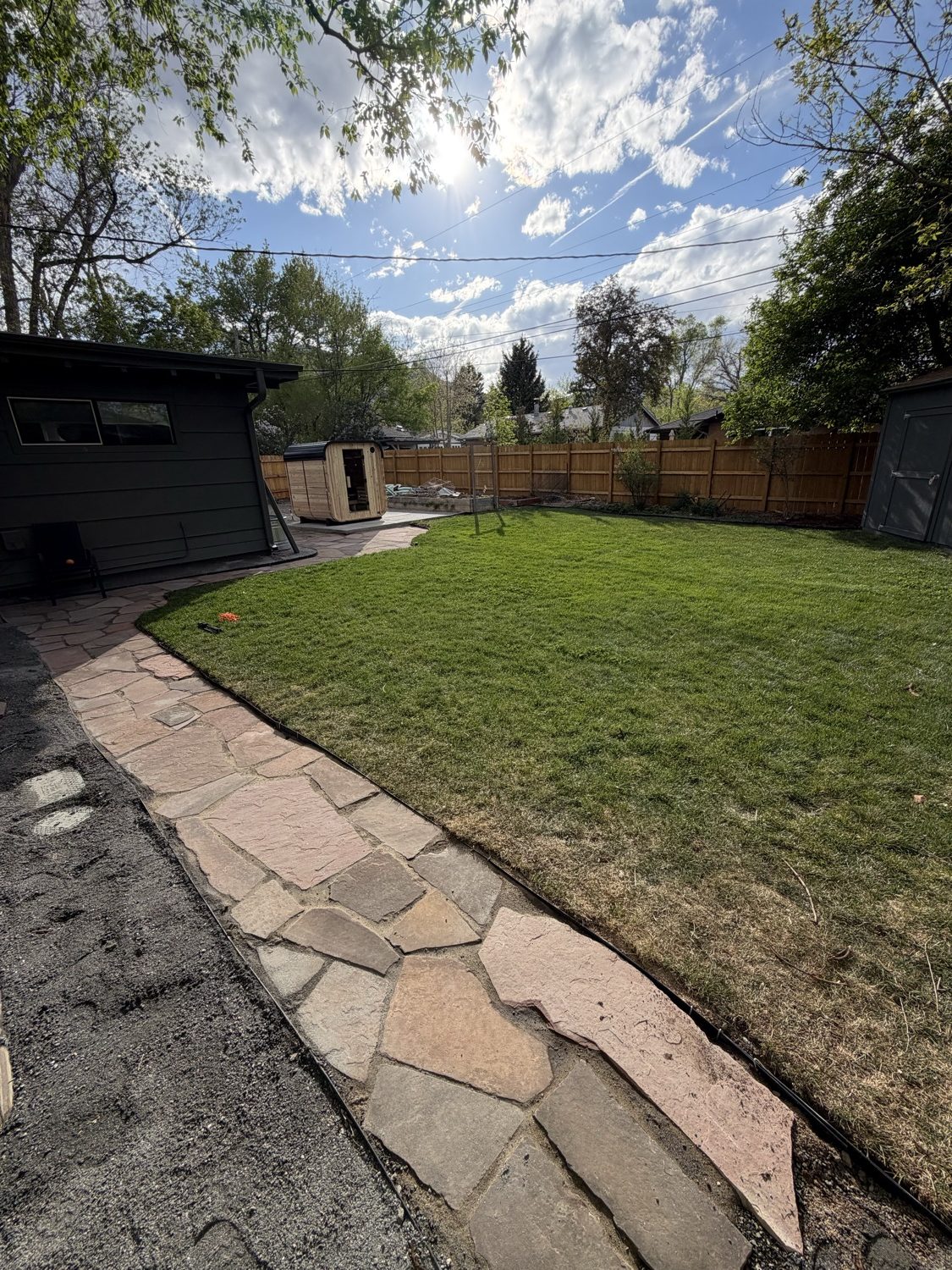
Sod, seed, or xeriscape, the right answer for a Colorado yard comes down to three things: how fast you want it, how much water you're willing to use, and your budget. Sod gives you an instant, usable lawn but costs the most. Seed is the cheapest path to grass but takes a full season to fill in. Xeriscape trades the traditional lawn for drought-tolerant plantings that use a fraction of the water and quietly sidestep Denver Water's restrictions, often the smartest long-term play in our semi-arid, mile-high climate. There's no single best choice for every yard, and the truth is most Front Range homes do best with a mix. Here's how we help homeowners across Denver, Arvada, Westminster, Thornton, Golden, and Broomfield decide.
The three options at a glance
Before the details, here's the side-by-side we walk clients through. Use it to spot which option fits your priorities, then dig into the sections below.
| Factor | Sod | Seed | Xeriscape |
|---|---|---|---|
| Up-front cost | Highest | Lowest | Moderate to high install |
| Time to enjoy | Weeks | A full season or more | One to two seasons to fill in |
| Water use | High (ongoing) | High (ongoing) | Low once established |
| Long-term cost | Higher (water, mowing) | Higher (water, mowing) | Lowest |
| Best install window | Spring through fall | Late summer to early fall | Spring or fall |
| Play surface | Yes, instant | Yes, eventually | No (paths, not open turf) |
Sod: the instant lawn
Sod is mature cool-season grass, usually Kentucky bluegrass, grown on a farm and laid down as ready-made turf. Its appeal is obvious: you go from bare dirt to a green, even, weed-free lawn in a single day, and it's walkable within a couple of weeks. For families who want a yard the kids can use this summer, that speed is worth a lot.
- Pros: instant results, immediate erosion control on slopes, crowds out weeds from day one, and can be installed almost any time the ground isn't frozen.
- Cons: the highest up-front cost of the three, limited to whatever grass varieties the farm grows, and it needs diligent watering to root before our hot, dry summer stresses it.
The make-or-break with sod is the prep underneath it. Laid over un-amended clay, even premium sod struggles. We always amend the soil with compost and grade it first so roots can knit down into loose, well-drained ground, that's what turns sod from a green carpet into a lasting lawn.
Seed: the budget path
Seeding is the most affordable way to grow grass and gives you full control over the blend, you can mix in more drought-tolerant, traffic-tough turf-type tall fescue instead of straight bluegrass, which is a real advantage on the Front Range. The trade-off is patience and care.
- Pros: far cheaper than sod, custom grass blends, and deep roots that establish naturally over time.
- Cons: takes a full season or more to fill in, demands constant surface moisture during germination (tricky under Denver Water's limits), washes out on slopes, and competes with weeds while it's thin.
Timing is everything with seed here. The best window is late summer to early fall, when soil is still warm but the air has cooled, giving cool-season grass its best shot to germinate and establish before winter. Spring seeding works but pits tender new grass against summer heat and a heavier weed load.
Xeriscape: the water-wise future
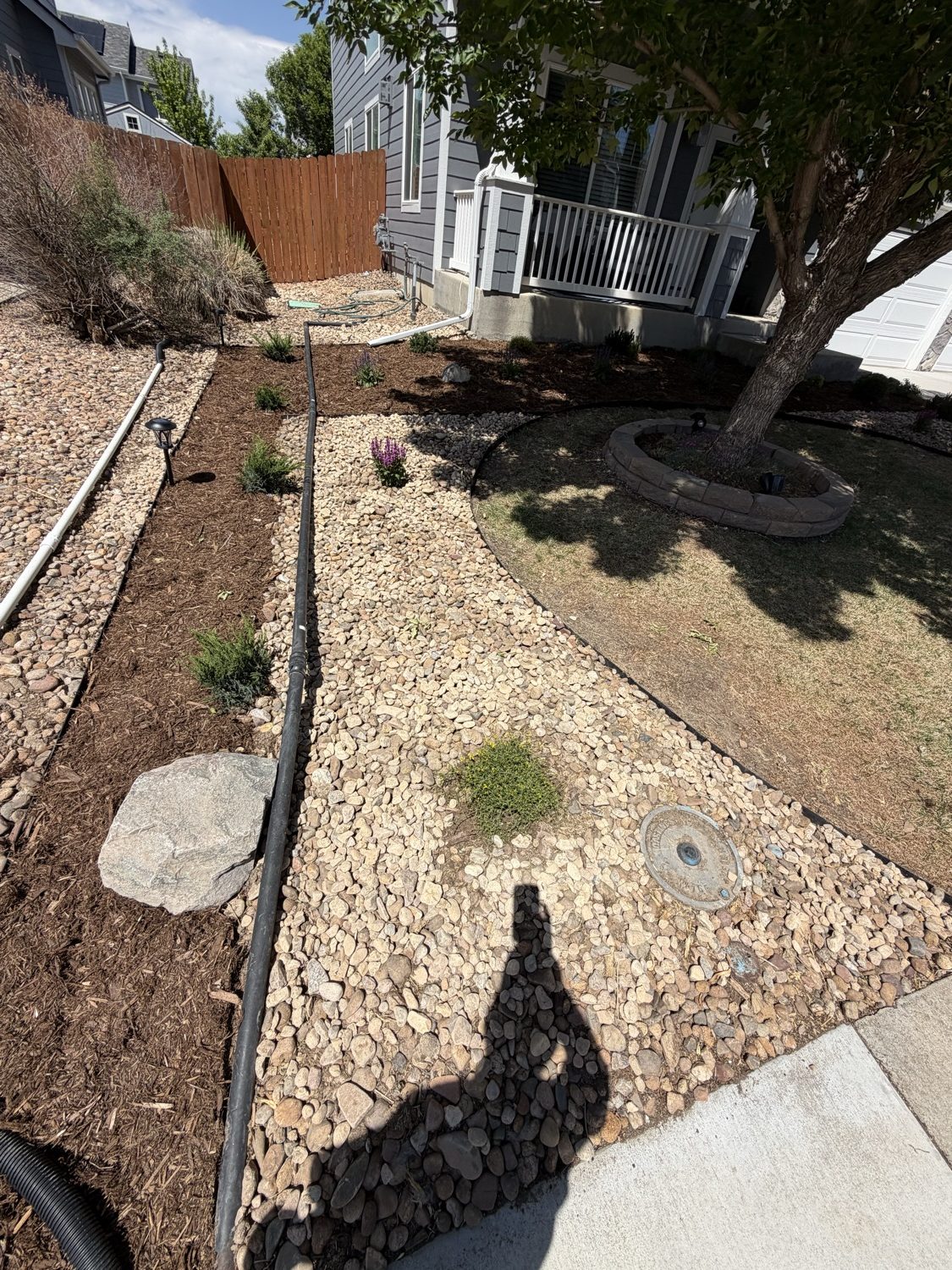
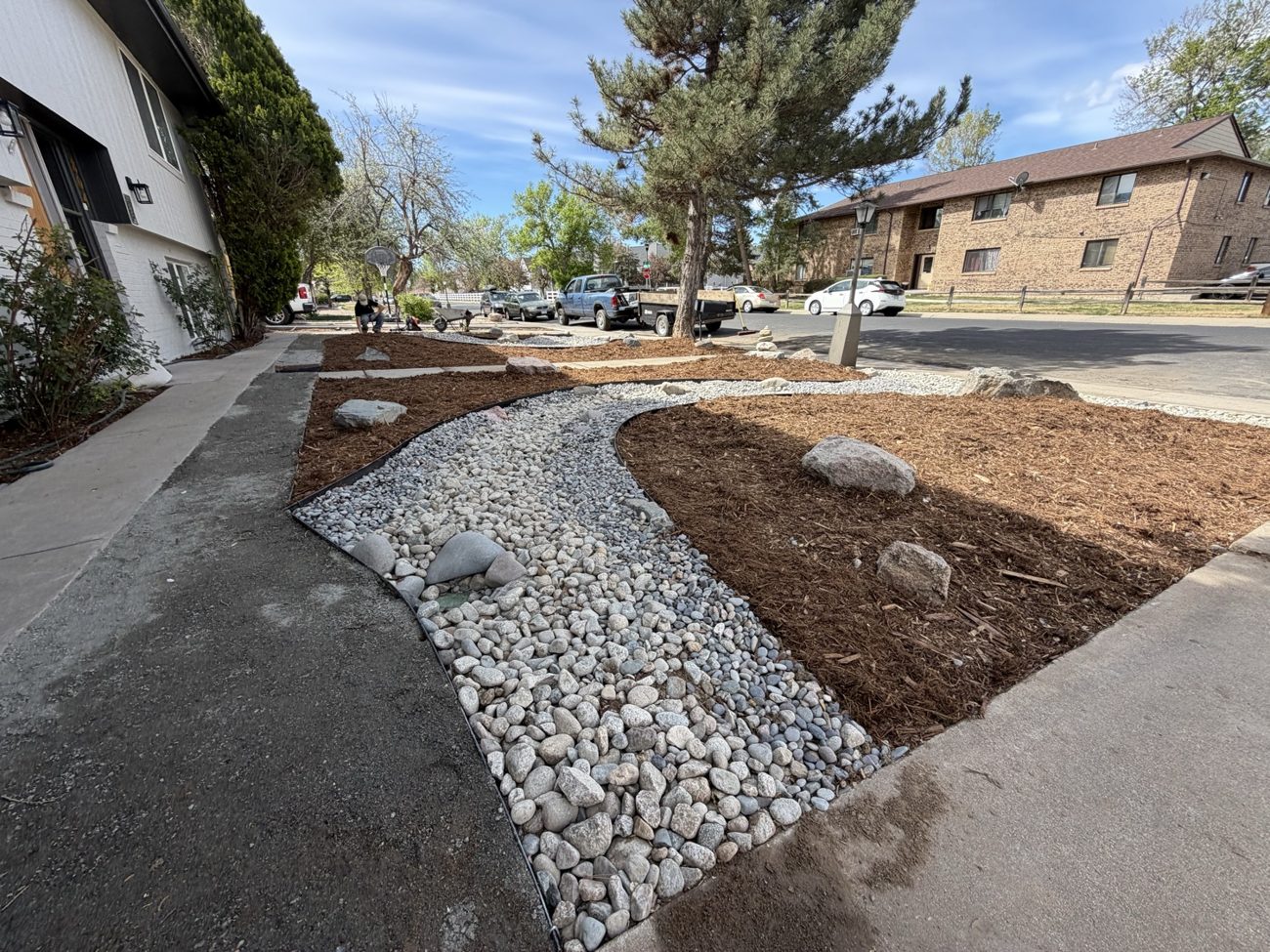
Xeriscaping replaces thirsty turf with a designed mix of drought-tolerant plants, ornamental grasses, rock, mulch, and efficient drip irrigation. It's the option that best fits where we actually live, semi-arid, a mile high, intensely sunny, and increasingly water-conscious. Done well it's not a downgrade from a lawn; it's a richer, more textured landscape that happens to drink a fraction of the water.
- Pros: dramatically lower water use once established (often more than half), lowest long-term cost, little to no mowing, easy compliance with watering rules, and year-round interest from grasses and blooms.
- Cons: a higher-effort install up front, a season or two for plants to mature, and no soft, open turf for backyard play.
Grass like Kentucky bluegrass is one of the thirstiest things you can plant on the Front Range. Converting even part of a lawn to xeriscape is the single biggest cut you can make to a summer water bill.
One more reason it pencils out: many Denver-area utilities offer turf-replacement rebates that help offset the cost of converting lawn to water-wise landscape, so the long-term savings start sooner than people expect.
How to choose for your yard
There's no universal winner, so match the option to how you'll actually use the space. A quick way to decide:
- Need a play or pet surface fast? Lean sod, and keep that turf area sized to what you'll really use, not wall to wall.
- On a budget with time to wait? Seed a tough fescue blend in early fall and let it establish.
- Want the lowest water bill and easiest upkeep? Xeriscape the areas you don't walk on, the front yard, slopes, and side strips are perfect candidates.
Honestly, the smartest Front Range yards we build combine them: a modest patch of sod where the kids and dog actually play, framed by water-wise xeriscape beds everywhere else. You get a usable lawn and a low-water, low-maintenance landscape, the best of both without paying to water grass you never set foot on.
Whatever you choose, prep the soil first
This is the through-line for all three. Our heavy, alkaline clay is the make-or-break variable, and skipping soil prep is the number-one reason new lawns and plantings fail here. Sod needs amended, well-graded soil to root into. Seed needs a loose, compost-rich seedbed to germinate. Even xeriscape plants, tough as they are, establish faster in soil that's been opened up with organic matter. Whichever path you pick, work compost into the clay, grade so water drains away from the house, and set up efficient irrigation from the start. Get the foundation right and any of these three will reward you for years across the Front Range.
Sod, seed & xeriscape FAQs
Is sod or seed better for a Denver lawn?
Sod gives you an instant, weed-free lawn you can enjoy in weeks and can be laid spring through fall, but it costs more up front. Seed is far cheaper and lets you match a custom grass blend, but it takes a full season or more to fill in, needs constant moisture while it germinates, and is best sown in late summer to early fall here. For most Front Range homeowners who want a usable lawn fast, sod is worth the premium; seed makes sense on a budget or for large areas where you can be patient.
What is xeriscaping and is it the best option in Colorado?
Xeriscaping is water-wise landscaping that replaces thirsty turf with drought-tolerant plants, ornamental grasses, rock, mulch, and efficient drip irrigation. In our semi-arid, mile-high climate it's often the smartest long-term choice: once established it uses a fraction of the water a traditional lawn needs, slashes your summer bill, and shrugs off Denver Water's restrictions. It's not less attractive than a lawn, just different. The main trade-off is that it doesn't give you a soft, open play surface, so many yards do best with a mix.
How much water does xeriscape save compared to a grass lawn?
A xeriscaped yard typically uses far less water than traditional cool-season turf, often more than half once the plants are established, because drought-tolerant species and drip irrigation deliver water efficiently right where it's needed. Grass like Kentucky bluegrass is one of the thirstiest things you can plant on the Front Range, so converting even part of a lawn to xeriscape produces a noticeable drop in summer water use. Many Denver-area utilities also offer turf-replacement rebates that help offset the conversion cost.
When is the best time to lay sod or plant grass seed in Denver?
Sod can be installed any time the ground isn't frozen, but spring and early fall are ideal because mild temperatures help it root before stress sets in; just keep it well watered through our hot, dry summer if you lay it then. Grass seed does best sown in late summer to early fall, when warm soil and cooler air give cool-season grass the best shot at germinating and establishing before winter. Spring seeding works too, but you'll battle more weeds and summer heat.
Not sure which is right for you?
CJ Landscaping will walk your yard, weigh sod, seed, and xeriscape for your space and budget, and prep the soil so it lasts. Free quote within 24 hours.
Get your free estimate →